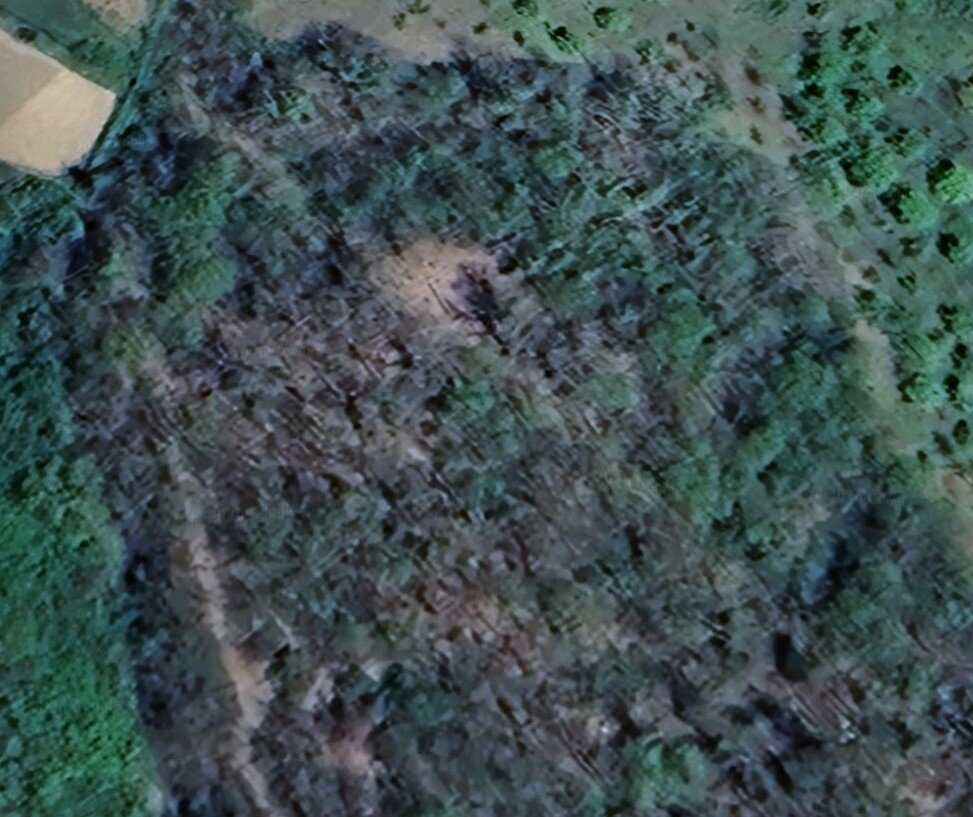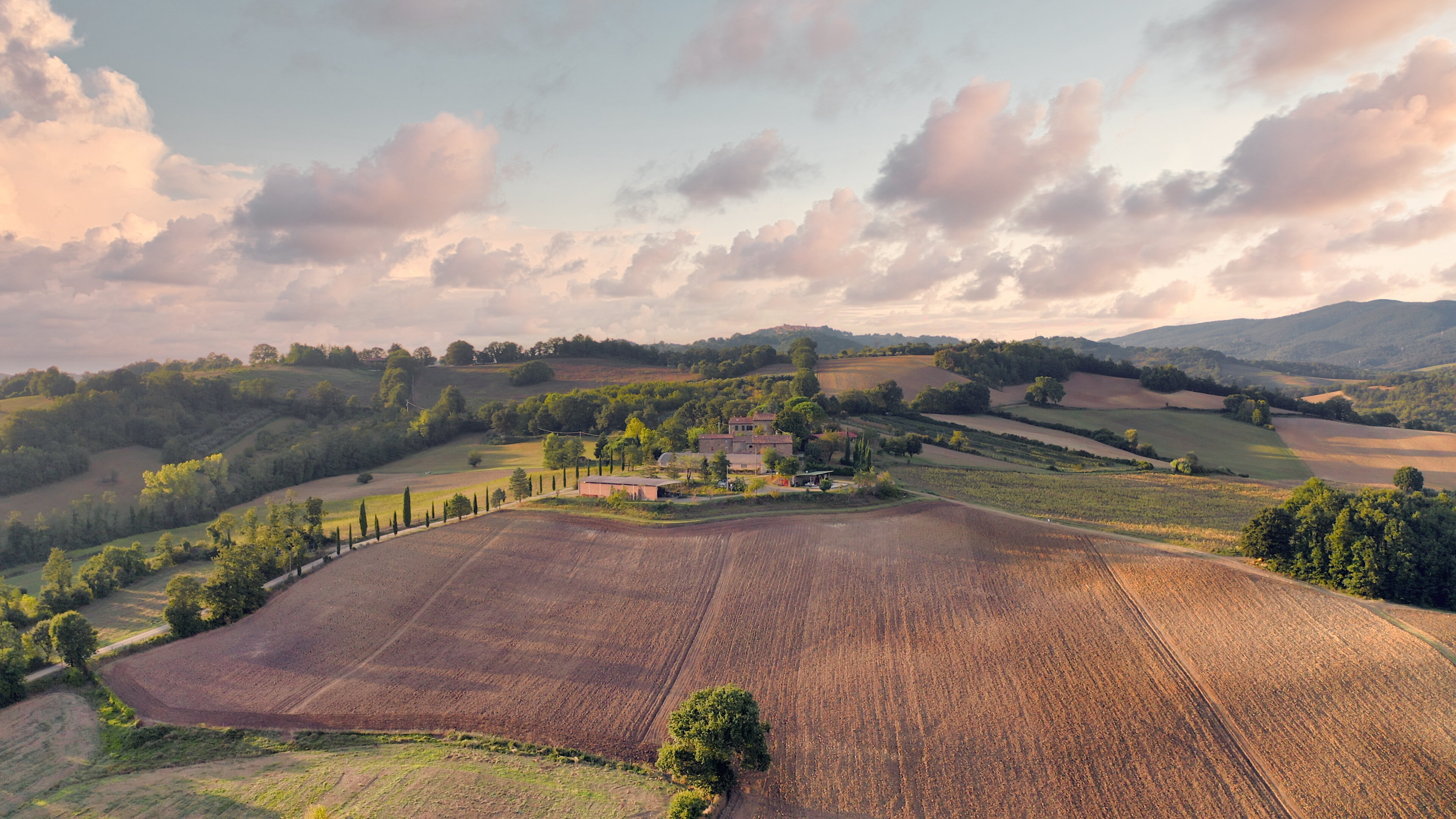
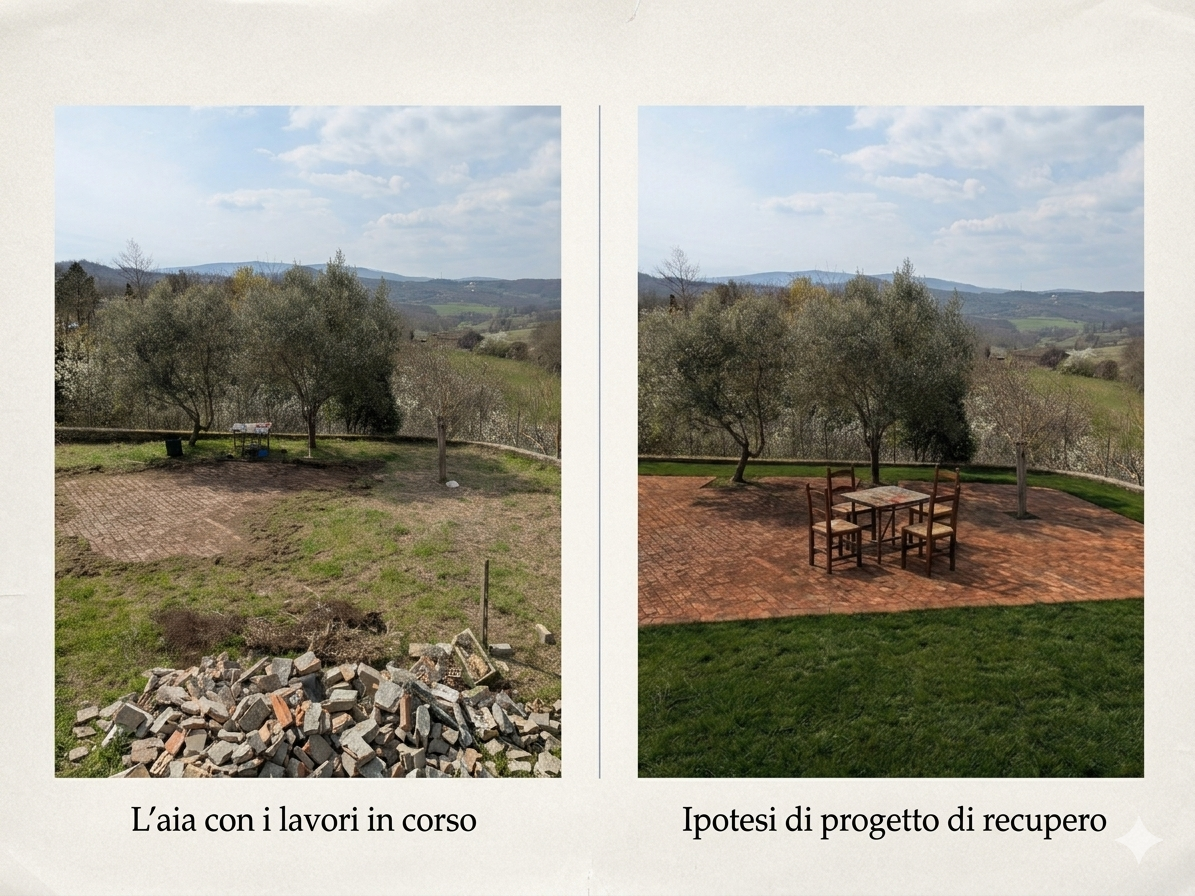
Today we discovered a little piece of history: an ancient threshing floor.
For our ancestors, the threshing floor was not just a stone clearing, but the beating heart of summer. It was the "stage" where the harvest was worked.
Threshing was the process used to separate the wheat kernels (the ones that become flour) from the straw and the chaff. Before the big modern machines, it was done here, by hand with flails or with the help of animals that trampled the sheaves.
Right after the beating came the moment of winnowing. It’s no coincidence these floors were often found, like ours, in scenic and especially breezy spots. The summer breeze was essential: by tossing the grain into the air with forks and shovels, the wind carried off the light chaff, letting the clean kernels fall back to the ground. A precise job that depended entirely on the natural elements.
But threshing wasn’t only hard work. When the grain was finally in the sacks, the threshing floor turned into a giant table. It was a time of solidarity among neighbors, of sharing food and of big dinners under the stars to celebrate the end of the harvest.
Finding and restoring these places means not forgetting where our bread comes from. It’s our small tribute to the land and to the toil of those who farmed it before us, preserving the memory of a time when work was community.

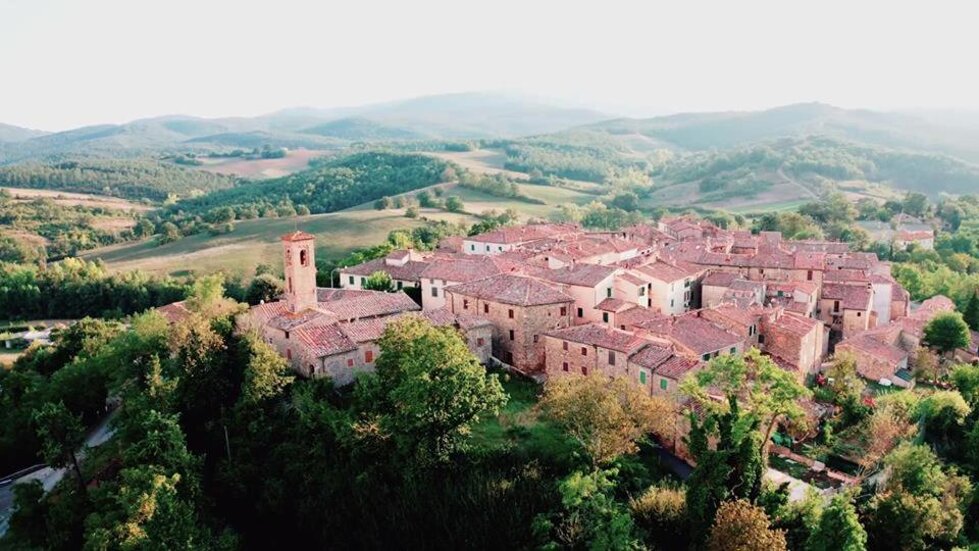
In this splendid image, Evaldo Serpi, the historian who with passion and dedication has told the identity of Montalcinello, is right here on this “stage” of the harvest, the ancient threshing yard. Evaldo has worked to preserve our history, so that we do not forget where we come from and the beauty of our traditions. That is why Montalcinello matters. That is why the great dinners under the stars will return.