Many will recognize the appearance of the Ponte della Pia, which was the setting for the famous film by Mario Monicelli Brancaleone alle crociate, with Vittorio Gassman and Gigi Proietti. For the purposes of this post, we are especially interested in its architectural profile, its Roman origins, and its role along the route of the ancient Via Massetana, which connected Siena to the Maremma, and in particular to the Colline Metallifere and Massa Marittima.
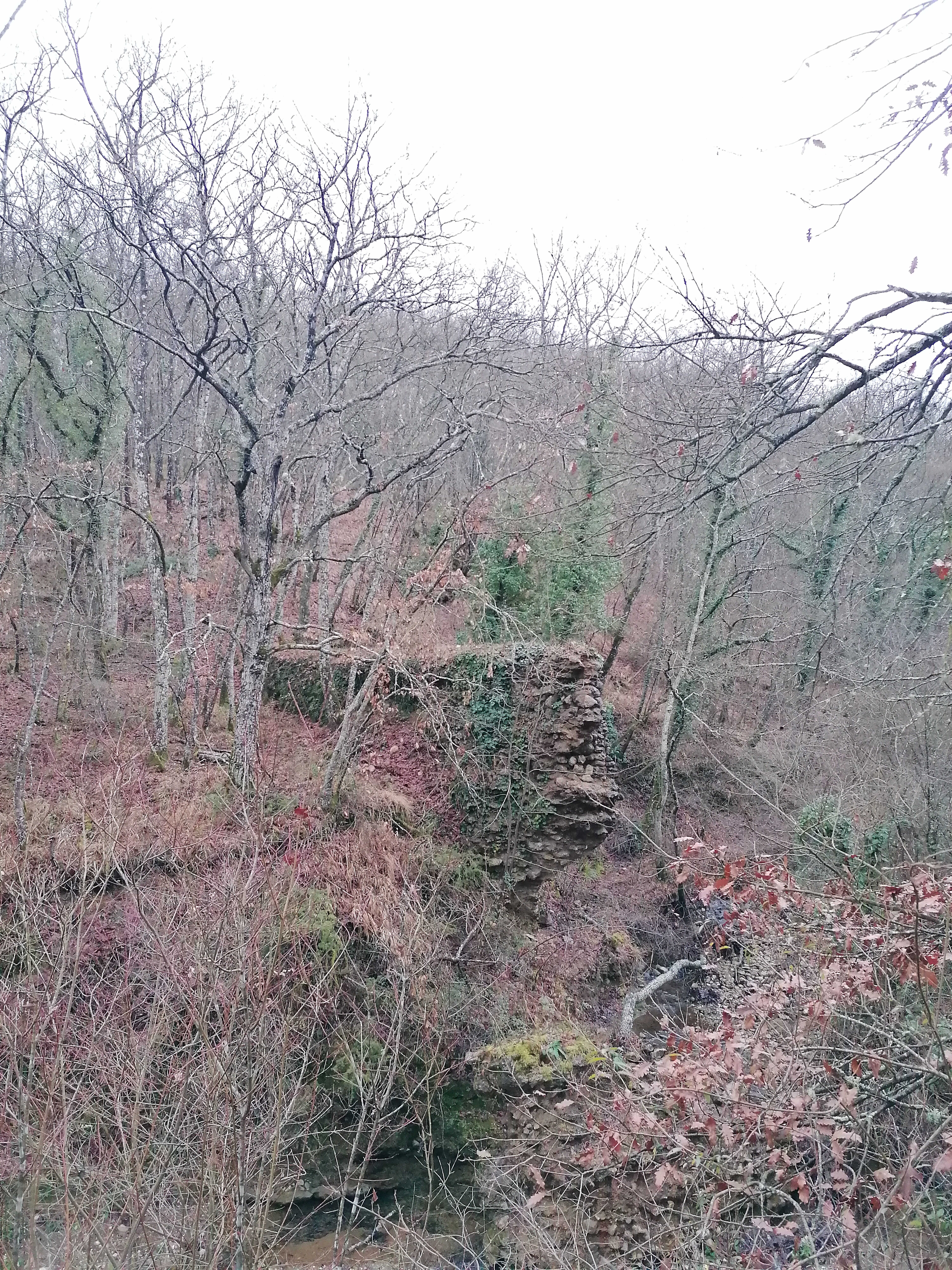
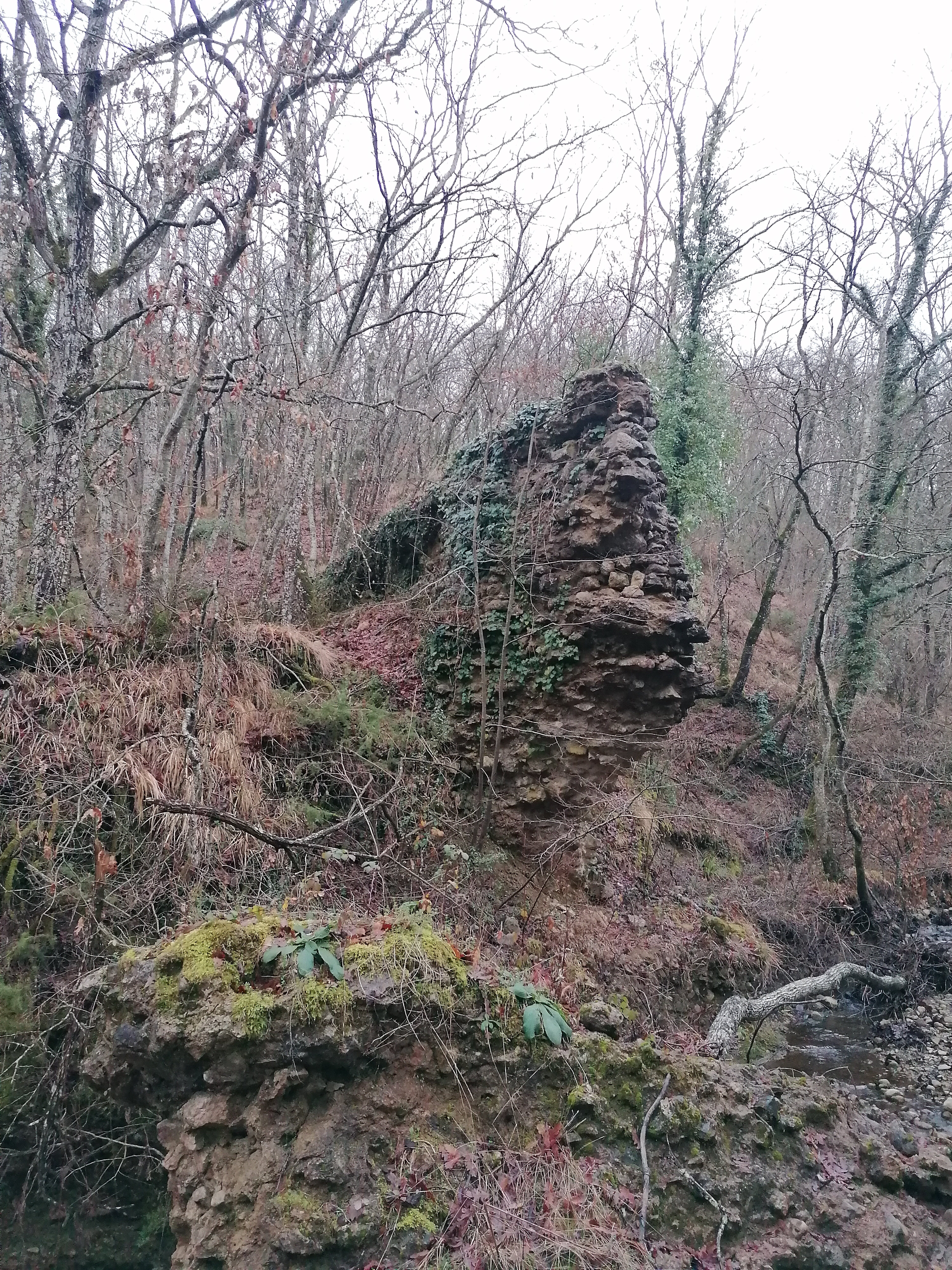
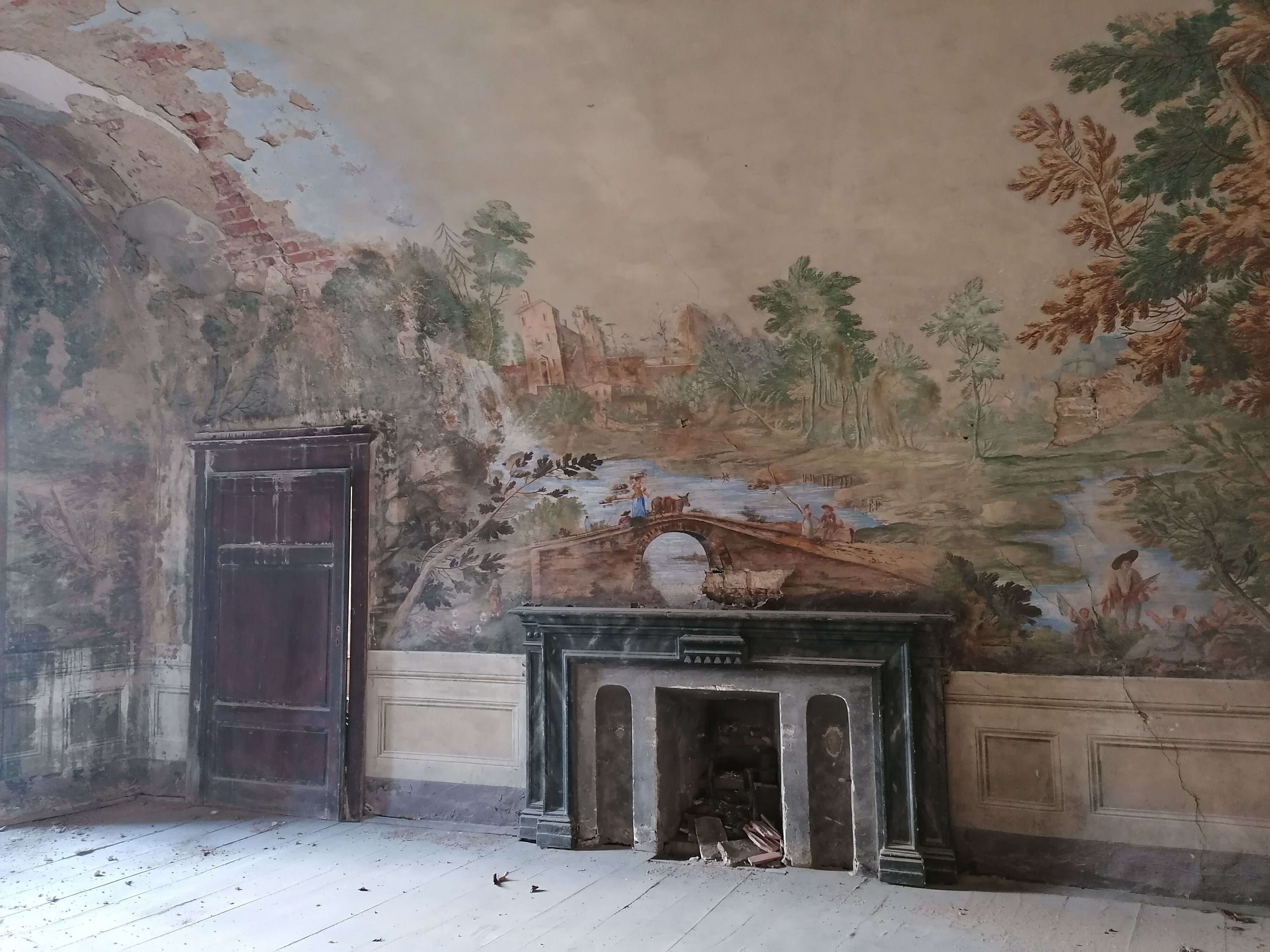
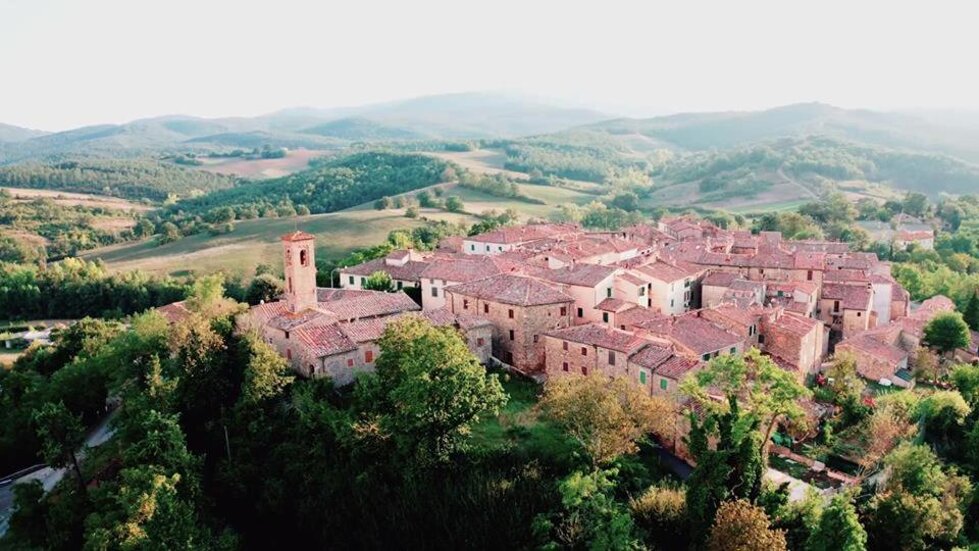
Few, however, will know that there was another bridge, believed to be its twin, which also appears to have had a single arch (two images of it are shown below, as well as that of a fresco in the nearby village of Montingegnoli with another typical single-arch bridge) and dating back to Roman times, near Montalcinello. This infrastructure calls into question the theory that these areas played a relatively secondary role. This is in addition to other factual elements we are trying to recount, from the presence of a Mint to the fact that it was chosen as a safe refuge by the bishop of Volterra.
The attention that the Statute of Montalcinello gives to the road network, with specific officials called viarii in charge of their cleaning and paving, as well as to draft animals, would rather indicate the existence of a significant concern for road viability. This peculiarity had already attracted the keen reflection of the scholar Federico Roccabianca, who had the merit of transcribing the Statute at the urging of Evaldo Serpi and who observed with amazement that even the episcopal Massa Marittima did not have similar figures.
We believe that the most plausible explanation lies in the interest in keeping open and efficient the strategic connecting routes intended for the transport of precious metals since Etruscan times. Even Montalcinello itself boasted a via della miniera, apparently paved, which led to a small lignite mine in the locality of Le Buche, just before reaching the current Caldini oil mill.